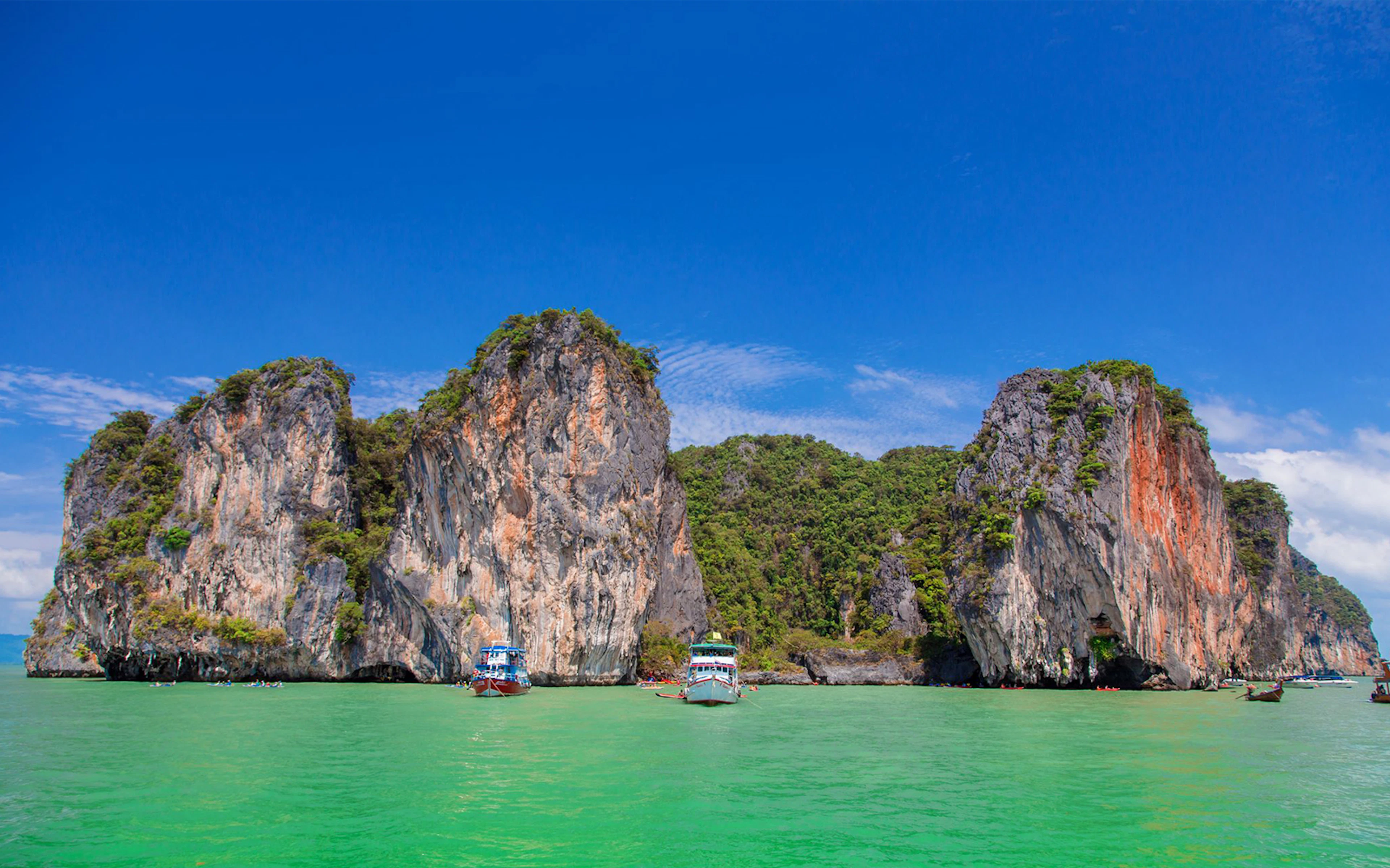
Khao Phing Kan, with the iconic limestone islet Ko Ta Pu just offshore.
James Bond Island, officially called Khao Phing Kan, is one of Phang Nga Bay’s most famous landmarks. Known for the striking limestone karst Ko Ta Pu, which featured in The Man with the Golden Gun, it has become a must-visit spot northeast of Phuket.
Read on to know all the essential facts before planning your visit.
Quick facts about James Bond Island
Official name
Location
Phang Nga Bay, the northeastern coast of Phuket, southern Thailand.
Size
Although the island is small, it is part of Ao Phang Nga National Park, which covers over 400 sq km.
Terrain & climate
Tropical marine environment with towering limestone cliffs, sea caves, and lush vegetation; hot and humid year-round with a rainy season from May to October.
Major areas/sections
The main twin islands of Khao Phing Kan, Ko Ta Pu (the needle rock), and nearby caves and lagoons within the bay.
Age
The limestone formations date back over 250 million years, shaped by centuries of erosion and tectonic movement.
Annual visitors
Receives over 1 million visitors per year, making it one of the most visited natural sites in southern Thailand.
Famous for
Featured in The Man with the Golden Gun (1974), earning it the nickname 'James Bond Island'.
Key areas of James Bond Island

Khao Phing Kan
The main island of James Bond Island, Khao Phing Kan, is where most visitors land. Its name means “hills leaning against each other,” referring to the limestone cliffs that slope toward the sea. Once ashore, you’ll find:
- Walking trails & viewpoints: Shaded paths connect both sides, opening to beaches and rocky ledges with bay views.
- Caves & rock formations: Small caves and rugged cliffs highlight the island’s geology.
- Beachfront views: The sandy shore offers the best angle to photograph Ko Ta Pu.
- Local market stalls: Vendors near the dock sell souvenirs and refreshments.
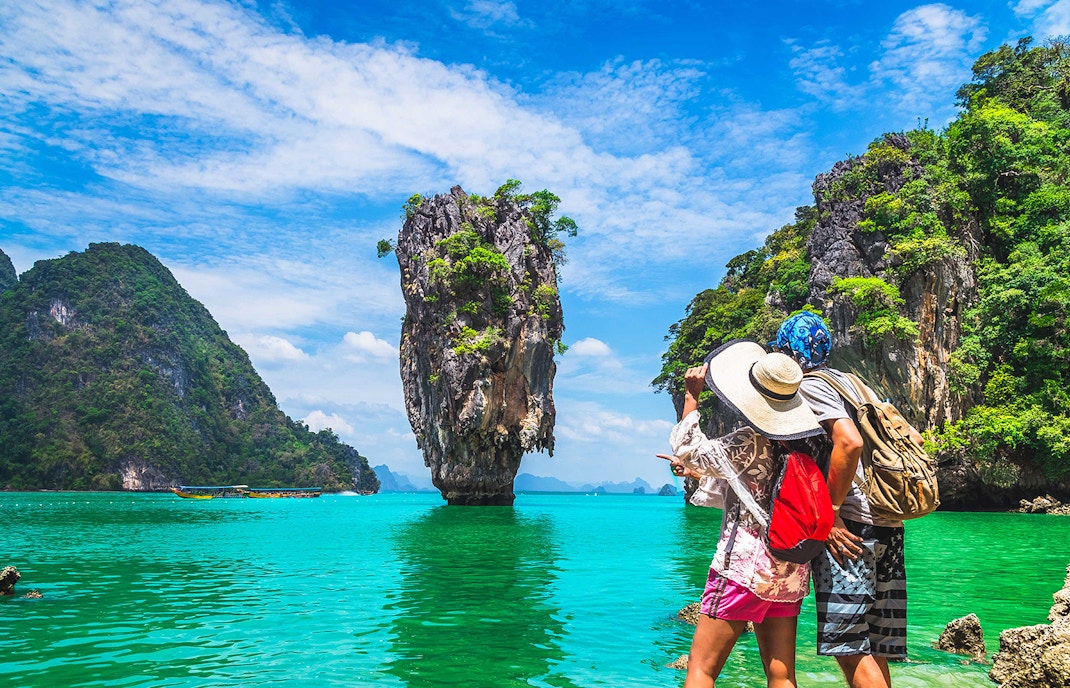
Ko Ta Pu
Just offshore from Khao Phing Kan stands Ko Ta Pu, a 20m limestone spire and the most iconic sight in Phang Nga Bay. Its name means 'crab’s eye island', though it’s better known as the James Bond Rock.
- Cinematic fame: Featured in The Man with the Golden Gun (1974), it became a global icon.
- Striking shape: Narrow at the base and wider at the top, formed by centuries of tidal erosion.
- Viewing only: Boats can’t dock here. Photos are taken from the beaches of Khao Phing Kan.
What to do on your James Bond Island tour?

Capture the classic view of Ko Ta Pu
Stand on the beach at Khao Phing Kan and frame the perfect shot of Ko Ta Pu, the limestone needle rising from the bay. It’s the island’s most iconic photo angle!


Getting to James Bond Island
The journey to James Bond Island is just as memorable as the island itself. Board a speedboat, catamaran, or big boat from Phuket and cruise through the limestone seascape of Phang Nga Bay. Speedboats zip across the bay in under an hour, often stopping at Panak and Hong Island along the way. Catamarans offer a smoother ride with open decks, while big boats move slower but let you take in the scenery from shaded seats.
How was it formed: History & geology
James Bond Island is part of Phang Nga Bay’s karst landscape, formed about 250 million years ago in a shallow sea where limestone layers built up over time. Tectonic uplift exposed the limestone, and centuries of rain, tides, waves, and wind shaped it into cliffs, caves, and sea stacks. The slender Ko Ta Pu, just offshore, shows clear signs of tidal erosion at its base.
For centuries, the area was relatively unknown to outsiders. This changed in 1974, when the island was featured in the James Bond film The Man with the Golden Gun, which brought it international fame and the nickname 'James Bond Island. Since then, it has become a major tourist attraction and a symbol of Thailand’s coastal beauty. The name “Phing Kan” means “leaning against each other,” inspired by the island’s tilted rock formations.
Wildlife you’ll meet on James Bond Island
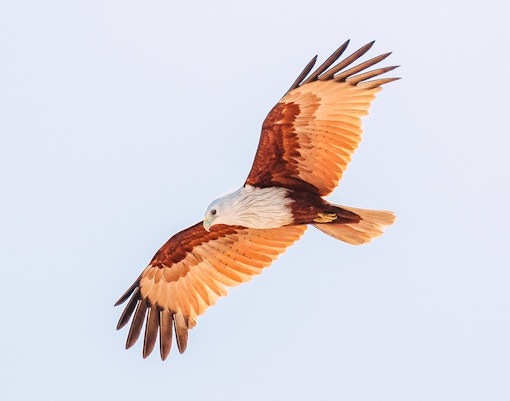
Brahminy kites
These striking reddish-brown raptors are commonly seen gliding above Phang Nga Bay. With their distinctive white heads and slow, soaring flight, they’re a frequent sight near the cliffs and open waters around James Bond Island.
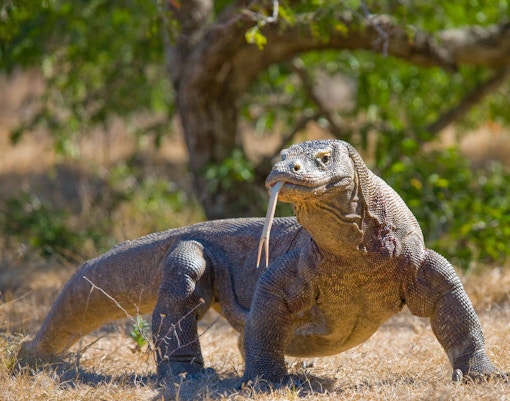
Monitor lizards
Large, shy reptiles like water monitors occasionally emerge along the rocky edges of Khao Phing Kan. Though mostly hidden, they’re part of the island’s natural ecosystem and often spotted sunning themselves near quieter shorelines.
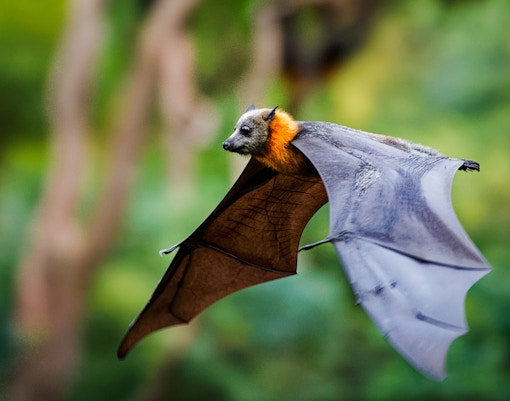
Fruit bats
Small colonies of fruit bats roost in the limestone caves around the island. Most active at dusk, they feed on native fruit and pollinate plants, playing a small but important role in the region’s ecology.
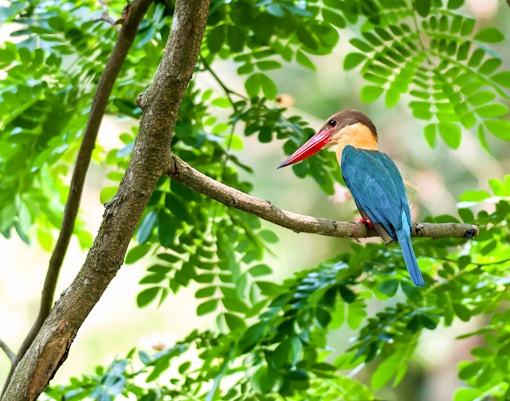
Kingfishers
Brightly colored kingfishers can be spotted darting through the mangroves and perched along the island’s rocky edges. Their quick movements and sharp calls add flashes of color and sound to the otherwise quiet coastal landscape.
Tips for visiting James Bond Island
- Choose the right boat: Speedboats are faster and cover more ground, while big boats and catamarans offer a more relaxed ride with scenic views.
- Go early or late: Morning and late-afternoon tours help you avoid peak crowds and capture better lighting for photos.
- Wear water-friendly shoes: The terrain is uneven and sometimes wet—flip-flops can slip, but sandals with grip work well.
- Bring cash: Small vendors on the island sell drinks, snacks, and souvenirs, but card payments aren’t accepted.
- Protect against sun and spray: Use reef-safe sunscreen, wear a hat, and bring a waterproof bag for your phone and essentials.
- Expect basic facilities: Restrooms are available but limited. Plan ahead, especially on longer tours.
- Respect the landscape: Ko Ta Pu is protected from foot traffic to prevent erosion. Admire it from afar, and avoid touching or climbing rock formations.
Explore more in the region
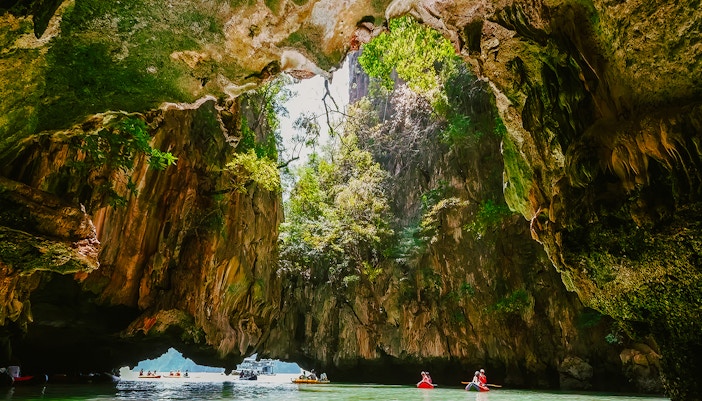
Panak Island
At Panak Island, paddle through low tunnels and into hidden lagoons surrounded by towering cliffs. Panak Island is often included in James Bond Island tours and offers a more immersive, close-to-nature experience.
Hong Island
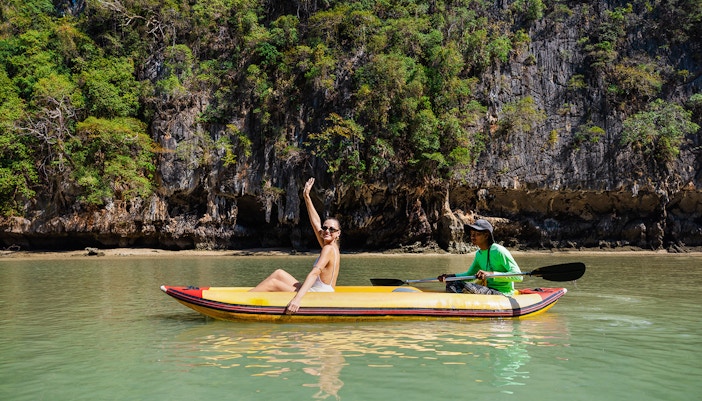
Glide into an open-air lagoon enclosed by limestone walls at Hong Island. Kayak, swim, or just float under the cliffs — this calm bay is a favorite for photography and peaceful paddling.
Koh Panyee
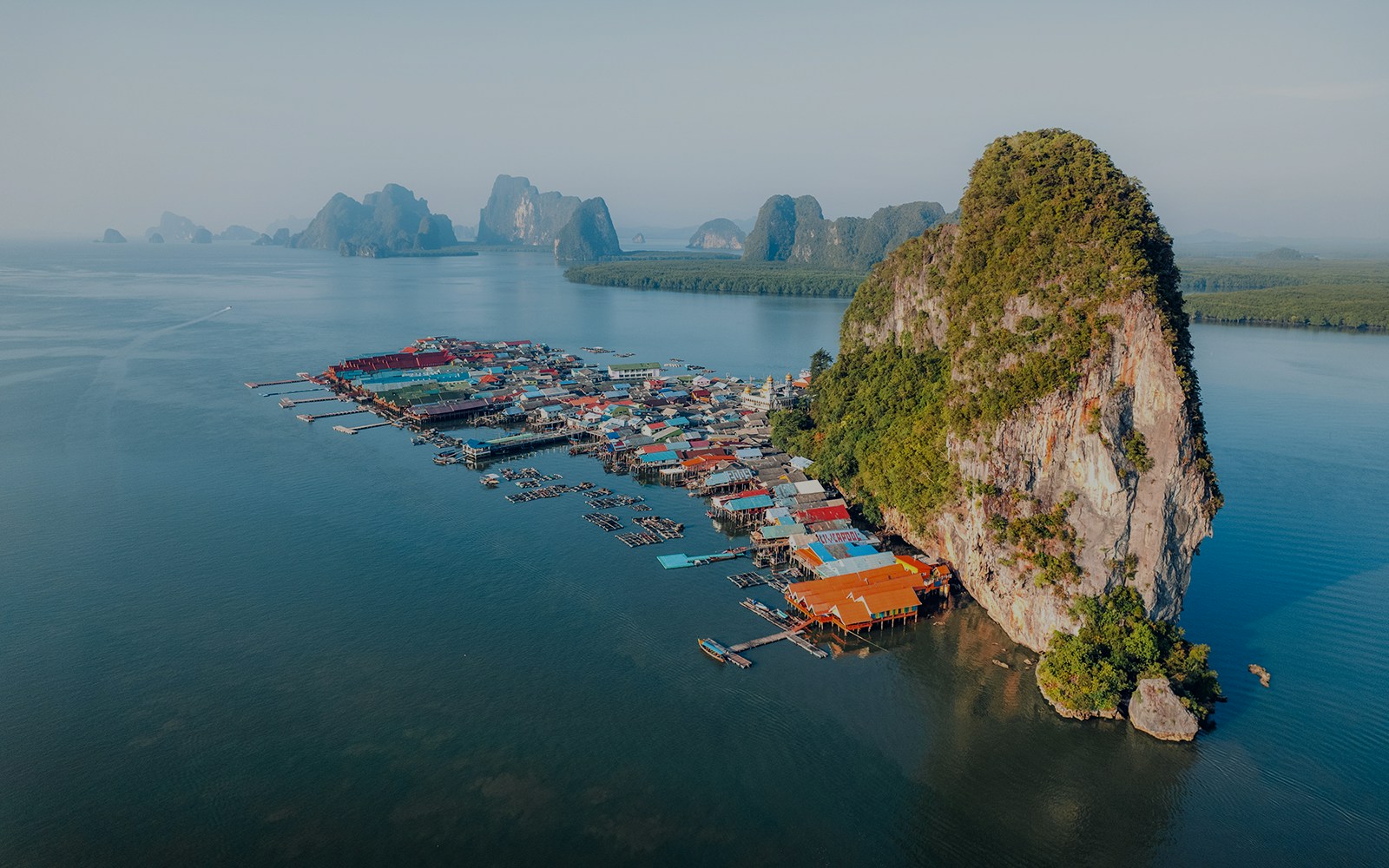
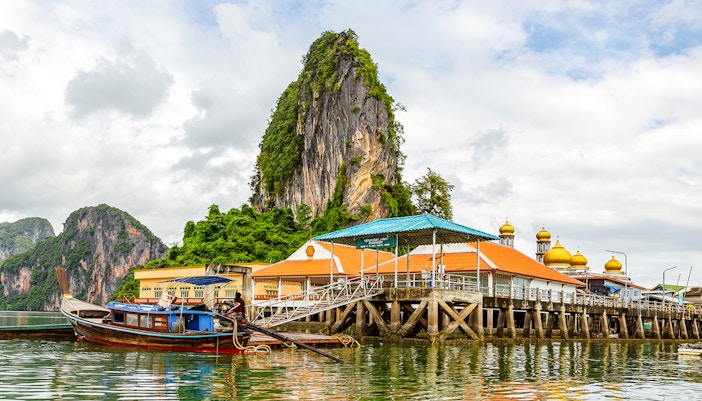
Stroll wooden walkways, see a floating football field, and try fresh seafood at this stilted Muslim village in the bay. It’s a cultural stop that brings the Phang Nga region to life.
Frequently asked questions about James Bond Island
James Bond Island, known locally as Khao Phing Kan, shot to global fame after it starred in The Man with the Golden Gun. That iconic limestone rock rising out of the sea? Yep, that’s Ko Tapu—and it’s now one of Thailand’s most photographed spots.
It’s tucked inside the stunning Phang Nga Bay, northeast of Phuket. The island is part of Ao Phang Nga National Park and can only be reached by boat—adding to its mystique.
No roads lead here! You’ll board a boat from Phuket, Krabi, or Phang Nga. Options include traditional longtail boats, fast speedboats, comfy big-boat cruises, or even luxurious catamarans.
From budget-friendly speedboat tours to luxury catamaran cruises, there’s something for every traveler.
Most tours cover hotel pick-up, boat transfers, national park fees, a local guide, life jackets, canoeing through sea caves, lunch, drinks, and time to relax or swim.
Full-day tours usually span 7 to 10 hours, including several scenic stops and about 45–60 minutes at James Bond Island itself
The dry season—November to April—is ideal. Expect clear skies and calm waters. January and February are most popular, while November and April are great for avoiding crowds.
Try to visit early in the morning before 10am or opt for an “early bird” tour. November and April also tend to be quieter months.
May through October brings unpredictable weather, but if you’re up for a bit of adventure (and fewer tourists), it can still be a beautiful time to visit—just expect some rain and choppier seas.
Absolutely! While it can get busy, planning ahead means you can soak in the surreal scenery, explore secret lagoons, and enjoy the novelty of standing where Bond once did.
Many tours include kayaking at Hong Island, exploring limestone caves, visiting Ko Panyee (a floating village), and beach time at nearby islands.
Yes, you’ll find basic amenities like public restrooms and small shops for souvenirs and snacks. Larger boats also have onboard restrooms.